
Malcolm L. MacGregor | June 26, 2026 | Workers' Compensations

After a workplace injury, receiving a workers’ compensation settlement offer may seem like the final step in your claim. However, many injured workers in Scranton are surprised to learn that they do not have to accept the first settlement proposal they receive. If you believe the offer does not fairly compensate you for your injuries, lost wages, or future medical needs, you have the right to reject it.
Understanding what happens after you decline a workers’ compensation settlement can help you make informed decisions about your claim and financial future.
You Are Not Required to Accept a Settlement Offer
In Pennsylvania, workers’ compensation settlements are voluntary agreements between injured employees and employers or their insurance carriers. A settlement typically involves a lump-sum payment in exchange for closing some or all aspects of a workers’ compensation claim.
Because settlements are voluntary, you cannot be forced to accept an offer that you believe is unfair. Insurance companies often make initial offers based on their assessment of the claim, but these offers may not always reflect the full value of your benefits or future expenses.
Rejecting an offer does not mean your workers’ compensation claim automatically ends. Instead, it often opens the door for additional negotiations or continued benefits.
Settlement Negotiations May Continue
When you reject a settlement offer, the insurance company may return with a higher offer or attempt to negotiate different terms. Settlement negotiations frequently involve multiple rounds of discussion before both sides reach an agreement.
Factors that may influence negotiations include:
- The severity of your injuries
- Your current medical condition
- Whether you can return to work
- Future medical treatment needs
- Permanent disability or impairment
- Lost earning capacity
Carefully evaluating these factors can help determine whether a settlement adequately addresses your long-term needs.
You Can Continue Receiving Workers’ Compensation Benefits
One of the biggest misconceptions about rejecting a settlement is that benefits will immediately stop. In many cases, this is not true.
If your workers’ compensation claim remains active and you are entitled to benefits, you may continue receiving:
- Wage-loss benefits
- Medical treatment coverage
- Prescription medication benefits
- Physical therapy and rehabilitation services
These benefits generally continue according to Pennsylvania workers’ compensation laws unless there is a valid legal reason for modification, suspension, or termination.
Maintaining ongoing benefits can provide financial stability while settlement discussions continue.
Your Case May Proceed Through the Workers’ Compensation Process
If a settlement cannot be reached, your claim may continue through Pennsylvania’s workers’ compensation system. Depending on the circumstances, disputes may be addressed before a Workers’ Compensation Judge.
Issues that may require litigation include:
- Whether your injury is work-related
- The extent of your disability
- Entitlement to wage-loss benefits
- Medical treatment disputes
- Attempts to terminate benefits
A judge may review medical evidence, hear testimony, and issue decisions regarding disputed issues. While litigation can take longer than settlement negotiations, it may provide an opportunity to pursue benefits that better reflect the true value of your claim.
Consider the Long-Term Impact of a Settlement
Before accepting any settlement offer, it is important to understand what rights you may be giving up.
Many workers’ compensation settlements involve closing future benefits in exchange for a one-time payment. Once approved, you may not be able to seek additional compensation later if your condition worsens or unexpected medical expenses arise.
Questions to consider include:
- Will the settlement cover future medical care?
- What happens if additional surgery becomes necessary?
- Have all lost wages been properly calculated?
- Does the settlement account for permanent impairment?
- Are there tax or benefit implications?
Evaluating these issues can help ensure that a settlement supports your long-term recovery and financial well-being.
Why Initial Settlement Offers May Be Low
Insurance companies often seek to resolve claims efficiently and limit their financial exposure. As a result, an initial settlement offer may not always represent the maximum amount available.
An offer may be lower than expected because:
- Future medical expenses are underestimated.
- The extent of disability has not been fully evaluated.
- The insurance carrier disputes certain aspects of the claim.
- Additional evidence has not yet been presented.
Rejecting an inadequate offer allows you time to gather medical records, obtain expert opinions, and more accurately assess the value of your case.
Contact a Scranton Workers’ Compensation Lawyer at McDonald & MacGregor, LLC for a Free Consultation
Rejecting a workers’ compensation settlement offer in Scranton does not mean your case is over. It may give you time to negotiate a better outcome and make sure your future medical needs, lost wages, and financial losses are fully considered.
Before accepting an offer, contact a Scranton workers’ compensation lawyer at McDonald & MacGregor, LLC to arrange a free consultation.
We proudly serve Scranton, Wilkes-Barre, Hazleton, Luzerne County, Lackawanna County, and surrounding areas.
McDonald & MacGregor, LLC
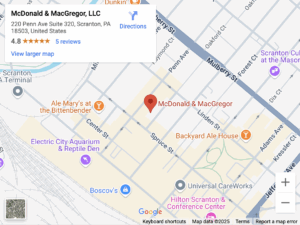
220 Penn Ave Suite 320, Scranton, PA 18503
(570) 209-7062
Scranton Office
220 Penn Ave Suite 320, Scranton, PA 18503
(570) 209-7062