
Malcolm L. MacGregor | March 3, 2026 | Personal Injury Blog

Experiencing an accident—whether it’s a car crash, a slip and fall, or another traumatic event—can be shocking. In the immediate aftermath, many people feel surprisingly okay. You may think you’re fine, only to find that pain starts to emerge hours or even days later. Delayed pain is common after accidents and can signal underlying injuries that require attention.
Understanding why delayed pain happens and how to respond can protect your health and your rights.
Seek Medical Attention as Soon as Symptoms Appear
If you begin to notice pain, stiffness, headaches, dizziness, or other unusual symptoms after an accident, schedule a medical evaluation right away. Even mild discomfort can signal an underlying injury.
After a traumatic event, adrenaline and other stress hormones can temporarily mask pain. Once those chemicals subside, inflammation and tissue damage may begin to surface. Conditions like whiplash, soft tissue injuries, concussions, spinal injuries, and even internal bleeding may not be obvious at first.
A healthcare provider can perform a thorough evaluation and order imaging tests if necessary. Early diagnosis often leads to better outcomes and helps prevent minor injuries from becoming chronic problems.
Monitor Yourself Closely in the Days Following the Accident
Pay careful attention to how your body feels in the hours and days after the incident.
Delayed symptoms commonly include:
- Neck or shoulder stiffness
- Back pain
- Headaches or migraines
- Numbness or tingling in the limbs
- Abdominal pain
- Fatigue or sleep disturbances
- Mood changes or difficulty concentrating
Keep in mind that some injuries evolve gradually. What starts as mild soreness could intensify over time. If you notice symptoms worsening or new ones appearing, follow up with your doctor immediately.
Listening to your body is one of the most important steps you can take during recovery.
Document Your Symptoms and Medical Visits
Keeping detailed records is essential.
Start a journal where you note:
- When symptoms began
- The type and severity of pain
- Activities that worsen or relieve discomfort
- Any missed workdays
- Medical appointments and treatment recommendations
This documentation can help establish a clear timeline connecting your injuries to the accident, which can become important if insurance claims or legal matters arise later.
Follow Your Treatment Plan Carefully
If a doctor prescribes medication, physical therapy, rest, or other forms of treatment, follow those instructions closely. Skipping appointments or ignoring medical advice can slow your recovery and potentially worsen your condition.
Soft tissue injuries and spinal strain, for example, often require consistent therapy to heal properly. Attempting to “push through” the pain may lead to long-term complications.
Compliance with treatment not only improves your physical recovery but also demonstrates that you are taking your injuries seriously.
Seek Emergency Care if Severe Symptoms Develop
While many delayed symptoms are manageable, some require immediate medical attention.
Go to the emergency room if you experience:
- Severe or worsening headaches
- Sudden confusion or memory loss
- Difficulty breathing
- Chest pain
- Loss of consciousness
- Persistent vomiting
- Severe abdominal pain
- Weakness or numbness in your limbs
These symptoms could indicate serious conditions such as internal bleeding, traumatic brain injury, or nerve damage. Prompt intervention can prevent life-threatening complications.
Protect Your Legal Rights While You Heal
Delayed pain can complicate insurance claims, especially if you initially reported feeling fine. That’s why seeking prompt medical evaluation and maintaining documentation is so important.
Avoid giving detailed recorded statements to insurance adjusters before understanding the full extent of your injuries. Early settlement offers may not account for long-term medical expenses, lost wages, or ongoing rehabilitation needs.
If your accident was caused by someone else’s negligence, you may be entitled to compensation for medical bills, lost income, pain and suffering, and other damages. Understanding your options can help ensure you are not left covering expenses that should not be your responsibility.
Contact the Scranton Personal Injury Lawyers at McDonald & MacGregor, LLC for a Free Consultation
Experiencing delayed pain after an accident can be unsettling, especially when symptoms surface days after the event. By seeking medical attention promptly, monitoring your condition, documenting everything carefully, and following your treatment plan, you give yourself the best chance at a full recovery.
If your injuries were caused by someone else’s negligence and you’re facing medical bills, lost wages, or ongoing pain, speaking with an experienced personal injury attorney can help you understand your options. McDonald & MacGregor, LLC can evaluate your situation, explain your rights, and help you pursue the compensation while you focus on healing. To learn more, schedule a free consultation today with a Scranton personal injury lawyer.
We proudly serve Scranton, Wilkes-Barre, Hazleton, Luzerne County, Lackawanna County, and surrounding areas.
McDonald & MacGregor, LLC
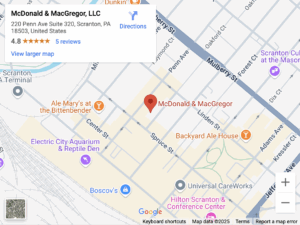
220 Penn Ave Suite 320, Scranton, PA 18503
(570) 209-7062
Scranton Office
220 Penn Ave Suite 320, Scranton, PA 18503
(570) 209-7062